If you’re dreaming of quiet beaches without the crowds, Florida’s Forgotten Coast might be exactly what you need. This stretch of the Panhandle moves at its own pace, and that’s the whole point. Below, we’re sharing the 15 Best Things to Do on Florida’s Forgotten Coast: Beaches, Towns & Hidden Gems, from sleepy oyster villages to barely-there sandbars most tourists never find.
Key Takeaways:
- Relax on pristine, uncrowded beaches like St. George Island and Cape San Blas, perfect for shelling, swimming, and soaking up the sun along Florida’s tranquil Forgotten Coast.
- Explore charming historic towns such as Apalachicola and Port St. Joe, where you’ll find local seafood, unique shops, and rich maritime heritage.
- Discover hidden gems through kayaking, scalloping, lighthouse tours, and fresh seafood shacks, experiencing authentic coastal adventures beyond typical tourist spots.
Introduction: Discovering Florida’s Forgotten Coast
Tucked away along the eastern Gulf of Mexico, Florida’s Forgotten Coast remains one of the state’s last stretches of unspoiled shoreline, offering a slower, more authentic alternative to the crowded theme parks and high-rise resorts further south. This quiet region stretches along the coast, covering Franklin, Gulf, and Wakulla counties. It is a place where fishing villages still outnumber condominium towers and where the horizon stays wide open.
What sets this coastline apart is what it lacks. Strict building height limits and protected natural areas have kept the skyline low and the beaches uncrowded. Instead of chain restaurants and souvenir mega-stores, visitors find oyster bars, bait shops, and family-run motels that have served the same communities for generations. That Old Florida atmosphere is the region’s signature, and it is disappearing almost everywhere else in the state.
The experiences ahead range widely. You will find pristine white-sand beaches, charming small towns, and outdoor adventures that include kayaking, scalloping, and wildlife watching. There are also hidden local secrets, the kind of spots that rarely appear in glossy travel magazines. Each entry in this guide highlights something worth planning a trip around.
Consider this a roadmap rather than a checklist. Some stops suit a lazy afternoon, while others reward an early start or a full day on the water. Together, they show why the 15 best things to do on Florida’s Forgotten Coast appeal to travelers who want nature, history, and quiet over crowds and commercial polish.
Pristine Beaches Along the Forgotten Coast
The Forgotten Coast’s beaches are its crown jewels, offering sugar-white sand and emerald waters without the crowds found elsewhere in Florida. Calm Gulf waters make swimming easy for all ages, while abundant shelling draws collectors to the shoreline year-round – though the broader Gulf of Mexico faces environmental challenges, making these pristine stretches all the more precious.
Because commercial development has been kept to a minimum, these stretches retain a wild, unspoiled feel. Each beach has its own character, from family-friendly strands with nearby amenities to secluded coves where you may not see another soul for hours.
St. George Island and Cape San Blas
St. George Island and Cape San Blas are two of the most beloved beach destinations on the Forgotten Coast, each offering a unique blend of natural beauty and recreation. St. George Island stretches roughly 28 miles, anchored by the popular St. George Island State Park at its eastern end.
The park features hiking trails that wind through coastal scrub, plus excellent birdwatching during migration seasons. The island’s iconic lighthouse stands as a landmark, and the overall atmosphere stays relaxed and welcoming for families.
Cape San Blas curves into a distinctive crescent shape, and visitors can arrange horseback riding along the shoreline. Nearby, T.H. Stone Memorial St. Joseph Peninsula State Park is known for towering dunes and clear water ideal for snorkeling.
- Both beaches welcome pets and reward shell hunters
- Kayak and paddleboard rentals are readily available
- Cape San Blas feels more secluded, while St. George offers more amenities
Mexico Beach and St. Joe Beach
Mexico Beach and St. Joe Beach offer a quieter, more laid-back beach experience, ideal for families and those seeking solitude. Mexico Beach is known for its wide, uncrowded shores, and the pier provides excellent fishing opportunities for anglers of all skill levels.
The community’s annual Gator Trot 5K reflects the town’s tight-knit spirit, and the beach itself played a central role in the area’s recovery after Hurricane Michael. That resilience gives this stretch a story worth appreciating as you walk its sands.
St. Joe Beach, near where Gulf and Bay counties meet, is a residential beach community with calm waters perfect for swimming and scalloping in season. Beachcombing here often turns up shells and sand dollars, especially in the early morning hours.
Both beaches have limited commercial activity, so visitors should plan ahead and bring their own supplies, including water, snacks, and shade. The family-friendly, residential feel sets them apart from busier destinations, with fishing and scalloping as the main draws.
Charming Coastal Towns to Explore
Beyond the beaches, the Forgotten Coast is dotted with charming towns that retain their historic character and maritime heritage. Each community has its own personality, from Apalachicola’s working oyster industry to Carrabelle’s laid-back fishing village vibe.
These towns reward visitors who slow down. Walkable historic districts, family-run seafood spots, and a genuine sense of community make them worth more than a quick stop.
Plan to spend at least half a day in each, and you will understand why so many travelers return year after year.
Apalachicola: Oyster Capital and Historic District
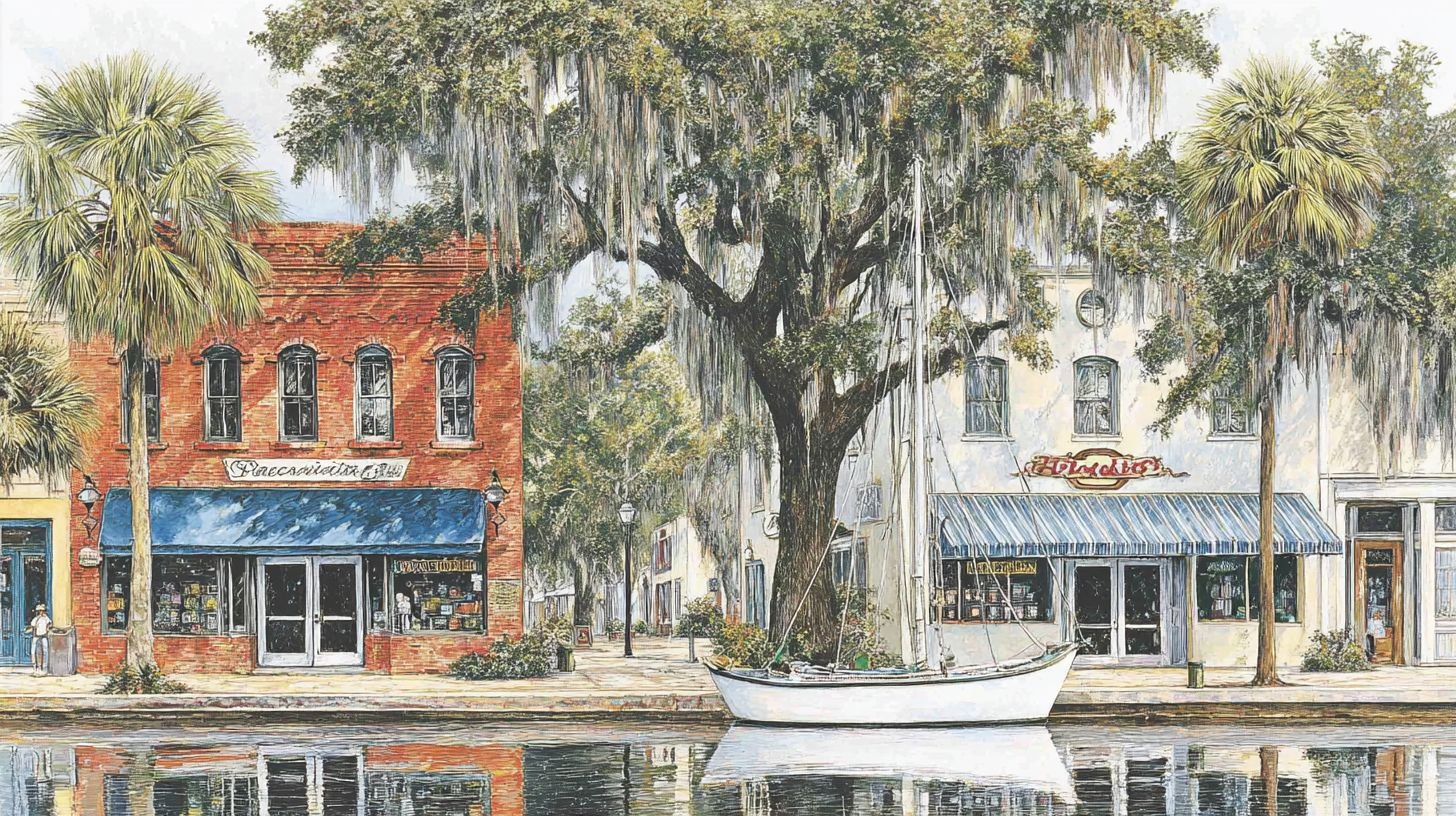
Apalachicola, once home to a booming oyster industry, exudes historic charm with its tree-lined streets and 19th-century architecture. The historic district is filled with restored homes, some of which now serve as inns and bed-and-breakfasts.
Start your visit at the Apalachicola Maritime Museum, then head to the working waterfront to watch oyster boats unload their daily catch. A stroll down Commerce Street reveals art galleries, boutiques, and the beloved Tin Shed Theater, a small venue known for local performances.
The town celebrates its seafood roots throughout the year. The annual Florida Seafood Festival and the Apalachicola Oyster Cook-Off both draw crowds.
For a deeper look at the ecosystem that sustains this industry, visit the Apalachicola National Estuarine Research Reserve. Cap off your day by trying raw oysters at one of the local bars, where they are shucked to order.
Port St. Joe and Carrabelle
Port St. Joe and Carrabelle offer a glimpse into the area’s maritime history and a relaxed, small-town atmosphere. Both towns move at a slower pace than Apalachicola, which makes them ideal for travelers seeking quiet streets and uncrowded waterfronts.
In Port St. Joe, the Constitution Convention Museum State Park commemorates the drafting of Florida’s first constitution. Nearby, the relocated Cape San Blas Lighthouse stands as a photogenic landmark. The historic downtown and the Port St. Joe Marina are both easy to explore on foot.
Carrabelle charms visitors with the Carrabelle Lighthouse and Museum and the quirky World’s Smallest Police Station, a roadside curiosity that has become a favorite photo stop. Fishing and boating opportunities here are excellent, thanks to calm inshore waters and easy Gulf access.
Take a leisurely walk along the Carrabelle Riverwalk, and if your timing lines up, enjoy the annual Carrabelle Riverfront Festival. These two towns pair well in a single day trip, each offering its own slice of Forgotten Coast life.
Outdoor Adventures and Water Activities
The Forgotten Coast is a paradise for outdoor enthusiasts, with abundant opportunities for fishing, kayaking, scalloping, hiking, and wildlife watching. This stretch of Florida panhandle coastline remains largely undeveloped, which means paddlers, anglers, and hikers often enjoy quiet waters and uncrowded trails.
Beginners will find plenty of gentle options, from calm bay paddling to easy boardwalk paths. Experienced adventurers can push further offshore, tackle longer backcountry routes, or spend a full day exploring remote marshland.
What ties these activities together is the setting itself. Seagrass meadows, tidal creeks, and protected refuges support an incredible range of species, so every outing doubles as a nature encounter.
Fishing, Kayaking, and Scalloping
Fishing, kayaking, and scalloping are three of the most popular water activities on the Forgotten Coast, drawing visitors year after year. Anglers can fish inshore for redfish and speckled trout, working grass flats, oyster bars, and creek mouths where these species feed.
Offshore charters head into the Gulf for grouper, snapper, and other bottom fish. If you are new to the area, a guided charter trip shortens the learning curve and often includes gear, bait, and local knowledge. Pier fishing in towns like Apalachicola and Port St. Joe is a simpler, budget-friendly alternative.
For paddlers, St. Joseph Bay offers calm, clear water that suits beginners and families. The Apalachicola River and its surrounding creeks reward stronger paddlers with cypress-lined channels and excellent birding. Rental shops and outfitters in the area provide kayaks, paddles, and safety gear.
Scalloping is a beloved summer tradition in St. Joseph Bay and around Port St. Joe. The season typically runs from late June through September, and the basic gear list is short:
- Mask and snorkel
- Mesh bag for your catch
- Fins for easier swimming
- Dive flag if you venture near boat traffic
Wear plenty of sunscreen, drink water often, and take breaks in the shade. The summer sun and heat can sneak up on you during a long day on the water.
Hiking and Wildlife Watching in St. Marks Refuge
The St. Marks National Wildlife Refuge is a haven for hikers and wildlife enthusiasts, encompassing over 80,000 acres of diverse habitats. Land-based exploration here feels completely different from a day on the water, with trails winding through pine flatwoods, salt marsh, and coastal impoundments.
The Lighthouse Levee Trail is a manageable 1.5-mile walk that leads toward the historic St. Marks Lighthouse, a favorite photo stop. For a longer outing, a section of the Florida National Scenic Trail runs roughly six miles through the refuge, offering a quieter look at the landscape.
Wildlife viewing is the main draw. Migratory birds pass through in large numbers, and alligators, manatees, and butterflies are common sightings depending on the season. Observation decks near the ponds give birders a comfortable vantage point, and the refuge is a key stop on the Great Florida Birding Trail.
Before you go, pack binoculars, apply insect repellent, and stop by the visitor center for maps and updates on seasonal closures. A few practical habits make the visit smoother:
- Arrive early for the best wildlife activity
- Stay on marked trails to protect habitat
- Bring water and sun protection
- Keep a respectful distance from alligators and other wildlife
These simple steps help ensure both you and the refuge’s inhabitants have a good day.
Hidden Gems and Local Secrets
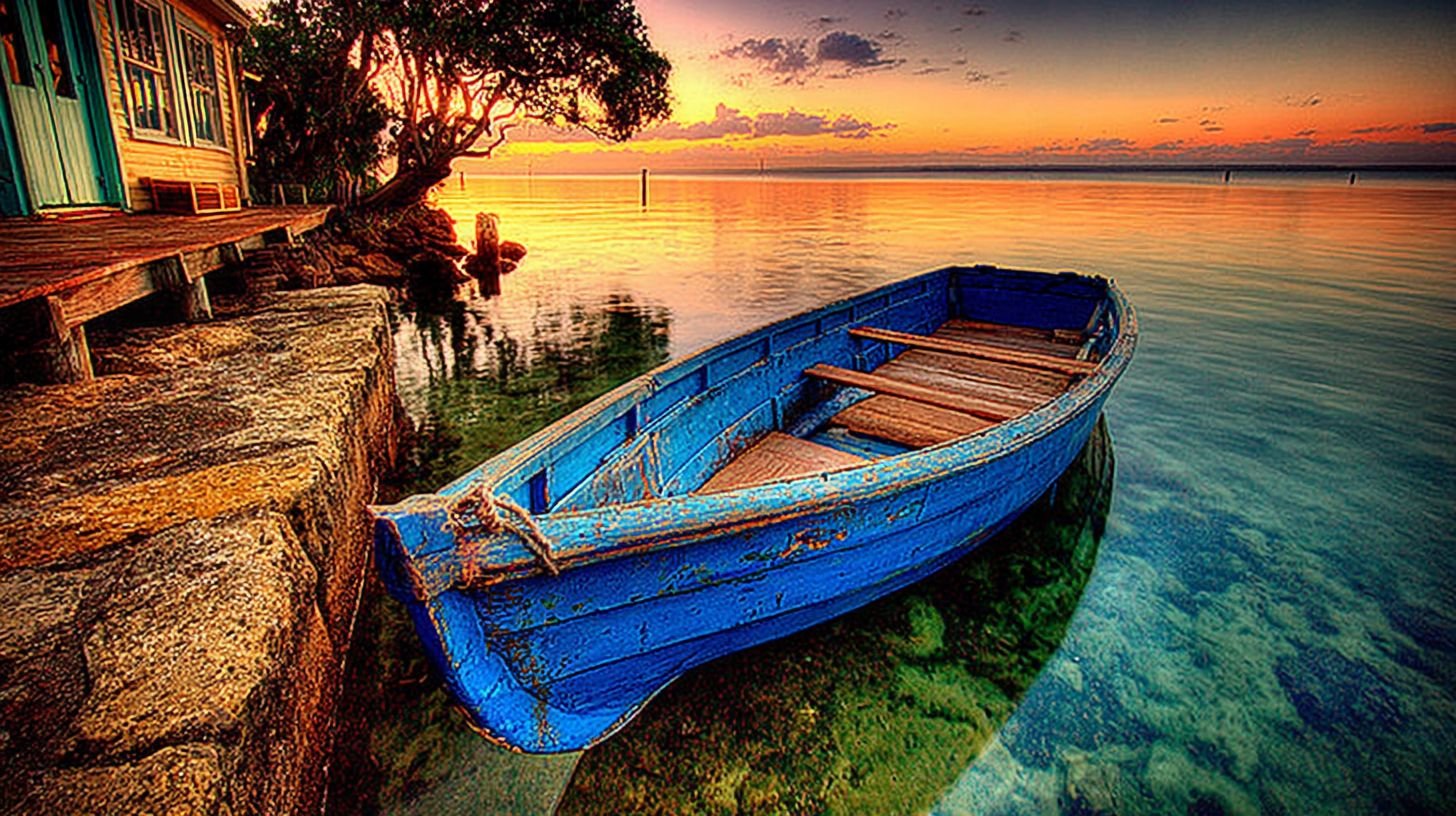
Beyond the well-known attractions, the Forgotten Coast holds hidden gems and local secrets that reward curious travelers. These range from historic lighthouses and quiet state parks to quirky seafood shacks and annual festivals that rarely make national headlines.
Seeking out these lesser-known spots offers a deeper connection to the region. You trade crowded boardwalks for small-town charm and discover the character that gives this stretch of Florida its name.
Forgotten Coast Lighthouses and State Parks
The Forgotten Coast’s lighthouses and state parks offer a blend of history, scenic beauty, and outdoor recreation. Each site tells a story about the mariners, keepers, and coastal communities that shaped this shoreline.
The Cape San Blas Lighthouse now stands in Port St. Joe after being moved from its eroding beach location, and its small museum explains the relocation effort. At St. George Island Lighthouse, visitors can climb the spiral staircase for panoramic Gulf views. Crooked River Lighthouse in Carrabelle and the St. Marks Lighthouse round out the list, each with its own museum or interpretive display.
State parks add camping, picnicking, and hiking to the mix. St. George Island State Park offers quiet dunes and shoreline access, while T.H. Stone Memorial St. Joseph Peninsula State Park is known for its sweeping beaches and trails. Ochlockonee River State Park sits among pine flatwoods and offers a peaceful paddling launch.
- Check seasonal hours before climbing any lighthouse tower.
- Bring cash for small museum entry fees.
- Reserve campsites well ahead during spring and fall.
A good tip is to pair a lighthouse climb with a nearby state park visit, since many sit within a short drive of each other. Guided tours are often available at the larger sites.
Local Seafood Shacks and Festivals
No visit to the Forgotten Coast is complete without sampling its fresh seafood at local shacks and joining in one of its lively festivals. The food here reflects the working waterfronts that still define these towns.
In Apalachicola, raw bars serve oysters pulled from nearby bay waters, often shucked to order. Family-owned seafood shacks in Eastpoint and Carrabelle keep things simple with fried shrimp, mullet, and hushpuppies. Port St. Joe leans into scallop season, with restaurants building menus around the local catch.
Festivals turn these flavors into full celebrations. The Florida Seafood Festival in Apalachicola each November draws crowds for oysters, music, and waterfront fun. The Apalachicola Oyster Cook-Off in January focuses squarely on the bivalve, while the Carrabelle Riverfront Festival in April brings art, food, and family activities to the harbor.
Because these events are popular, check dates early and book accommodations well in advance. Small inns and rentals fill quickly during festival weekends. Arriving hungry and curious is the best approach, since many vendors sell small plates meant for grazing.
Planning Your Trip: Best Times and Tips
Planning your trip to the Forgotten Coast ensures you make the most of its natural beauty and local charm. This stretch of shoreline between Mexico Beach and St. Marks moves at its own rhythm, so a little preparation goes a long way. The right timing, packing list, and mindset can turn a good visit into a great one.
Spring and fall are widely considered the sweet spot for a visit. Mild temperatures, lower humidity, and thinner crowds make both seasons ideal for beachcombing, kayaking, and exploring small towns. Summer brings heat and heavier traffic, but it also delivers the region’s signature activity: scalloping in the shallow grass flats near Steinhatchee and Port St. Joe.
Winter offers quiet beaches and mild daytime temperatures, though some seasonal businesses cut back their hours. Keep in mind that hurricane season runs from June through November, with the highest risk typically in late summer and early fall. Travel insurance is a smart safeguard if you book during those months.
Book accommodations early, especially around holiday weekends and local festivals. Coastal rentals and small inns fill quickly, and last-minute options can be limited. Rather than relying on specific event dates, check local chamber calendars and town websites before you finalize your plans.
Pack smart for this laid-back destination. Essentials include:
- Reef-safe sunscreen and a wide-brimmed hat
- Insect repellent for marsh and woodland areas
- Beach gear such as chairs, umbrellas, and water shoes
- Binoculars for birding and spotting dolphins or manatees
- A small cooler for picnics and fresh seafood
Distances between towns can surprise first-time visitors. The region stretches roughly 200 miles along U.S. 98, so plan for scenic but slow drives between stops. The nearest major airports are Tallahassee International to the east and Northwest Florida Beaches International near Panama City to the west.
Above all, embrace the slow pace that defines the Forgotten Coast. Chat with shop owners, eat at family-run seafood spots, and support local businesses. That relaxed, community-minded spirit is exactly what makes this stretch of Florida so memorable.
Frequently Asked Questions
What exactly is Florida’s Forgotten Coast, and why should I visit?
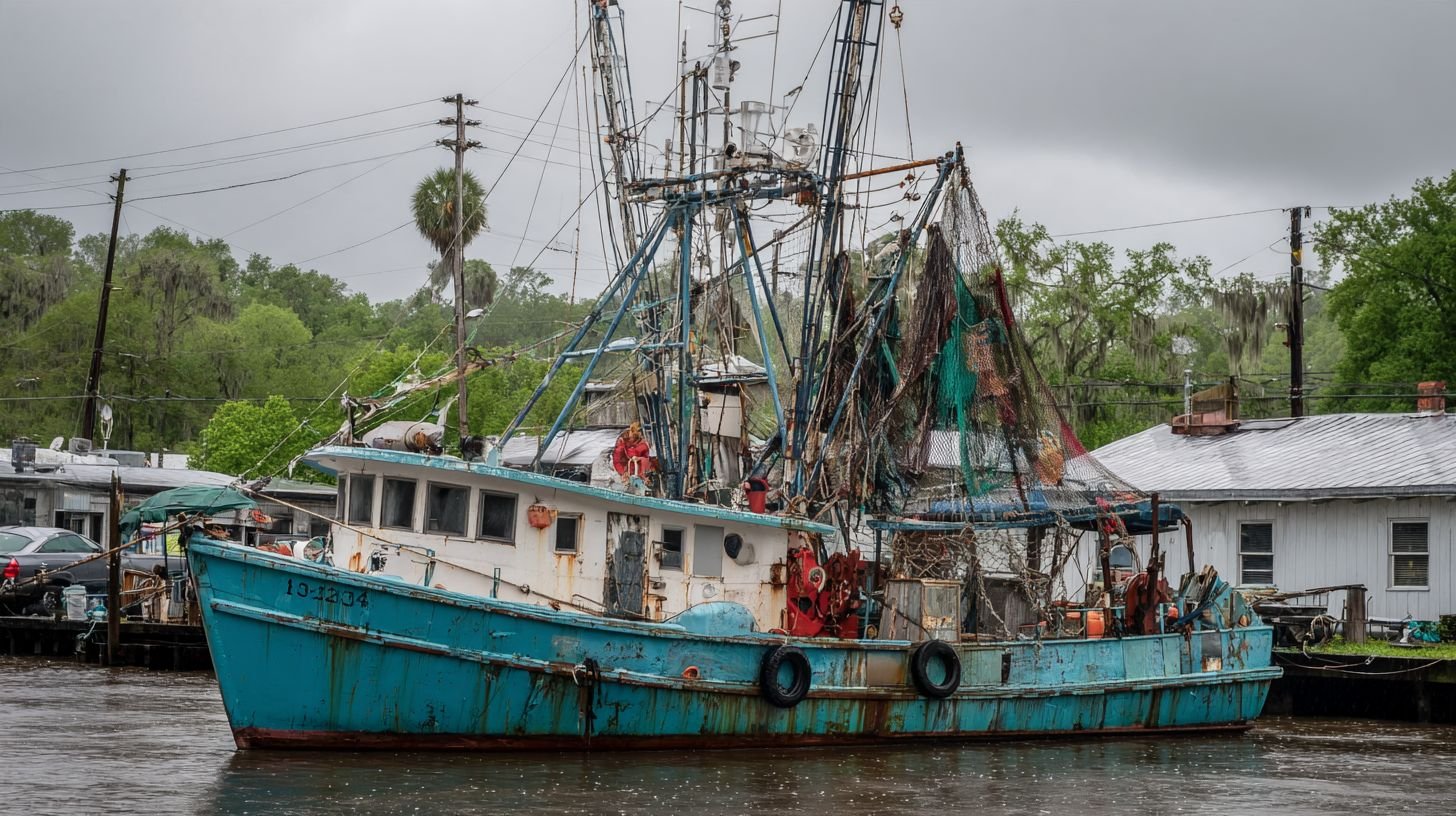
Florida’s Forgotten Coast is the stretch of unspoiled shoreline along the panhandle between Mexico Beach and St. Marks, encompassing towns like Apalachicola, Port St. Joe, Carrabelle, and St. George Island. It earned the nickname because it was largely bypassed by high-rise development, leaving pristine beaches, quiet fishing villages, and protected natural areas. If you want Old Florida charm without crowds, this region is the antidote to busy resort towns, and our guide to the 15 Best Things to Do on Florida’s Forgotten Coast: Beaches, Towns & Hidden Gems is the perfect place to start planning.
Which beaches on the Forgotten Coast are absolute must-visits?
St. George Island State Park consistently ranks among the best beaches in the country, with sugar-white sand and emerald water. Cape San Blas and its neighboring T.H. Stone Memorial St. Joseph Peninsula State Park offer sweeping dunes and excellent shelling. Mexico Beach is a laid-back, family-friendly option, while Carrabelle Beach provides calm, shallow water ideal for kids. These shorelines feature prominently in the 15 Best Things to Do on Florida’s Forgotten Coast: Beaches, Towns & Hidden Gems, so you won’t want to skip them.
What hidden gems should I not miss on the Forgotten Coast?
Beyond the famous beaches, the Forgotten Coast hides treasures like the ghost town of St. Joseph (now a quiet park with ruins), the Crooked River Lighthouse, and the Tate’s Hell State Forest with its dwarf cypress trees. The Apalachicola National Estuarine Research Reserve offers trails and exhibits, and the tiny fishing village of Eastpoint is famous for its oysters. Each of these hidden gems is featured in the 15 Best Things to Do on Florida’s Forgotten Coast: Beaches, Towns & Hidden Gems, so you can build an itinerary that goes beyond the ordinary.
Which towns on the Forgotten Coast are worth exploring, and what makes each special?
Apalachicola is the cultural heart, known for its historic downtown, seafood, and quirky shops. Port St. Joe offers a charming marina and access to St. Joseph Bay. Carrabelle is a working fishing town with a relaxed vibe and nearby lighthouse. St. Marks is a small historic town at the edge of a national wildlife refuge. These towns, along with their local festivals and cuisine, are central to the 15 Best Things to Do on Florida’s Forgotten Coast: Beaches, Towns & Hidden Gems, giving visitors a taste of authentic coastal Florida.
When is the best time to visit the Forgotten Coast, and what should I pack?
Spring and fall offer the best weather with fewer crowds, while summer brings warm water and lively events but also higher humidity and occasional storms. Winter is quiet and mild, ideal for solitude and birdwatching. Pack sunscreen, bug spray, comfortable walking shoes, and a light jacket for breezy evenings. No matter the season, the 15 Best Things to Do on Florida’s Forgotten Coast: Beaches, Towns & Hidden Gems will help you make the most of your trip year-round.
Are there family-friendly activities and outdoor adventures on the Forgotten Coast?
Absolutely. Families can enjoy kayaking, paddleboarding, fishing, and boating in the calm bays and estuaries. The St. Joseph Bay Buffer Preserve and St. Marks National Wildlife Refuge are great for hiking, biking, and wildlife viewing. Kids love searching for shells on Cape San Blas and visiting the sea turtle center on St. George Island. For a full list of family-friendly options, check out the 15 Best Things to Do on Florida’s Forgotten Coast: Beaches, Towns & Hidden Gems, which includes adventures for all ages.
If you live in the area, Apalach Current covers local news, events, and the day-to-day side of the Forgotten Coast. And if you’re planning a weekend trip (or know someone who is), Apalach Coast is a short, practical newsletter with one useful thing to do plus the weather.